

February 23, 2024
0 Comments
By
research-x
Embarking on the journey of circuit design begins with a firm grasp of the basics. Don't be
intimidated if you're not deeply versed in electronics; a fundamental understanding will set you on
the right path.
The Importance of a Clear Design Objective
A well-defined goal is the compass for your design process. An unclear plan can lead to a product
that misses the mark. Clearly define what you aim to achieve with your prototype, whether it's a
simple gadget or a game-changing device.
Knowing Your Components
Knowing your electronic components is crucial, just as a chef must know each ingredient in a recipe.
Resistors, capacitors, and transistors are the building blocks of your design. Familiarize yourself with
these components thoroughly.
Understanding the Basics of PCB Design
Alright, let's get down to brass tacks. When we talk about PCB design in electronics, we're not just
throwing components on a board and hoping for the best. It's an art, a science, and a bit of magic all
rolled into one. So, where do we begin?
Key Components of PCB in Electronics
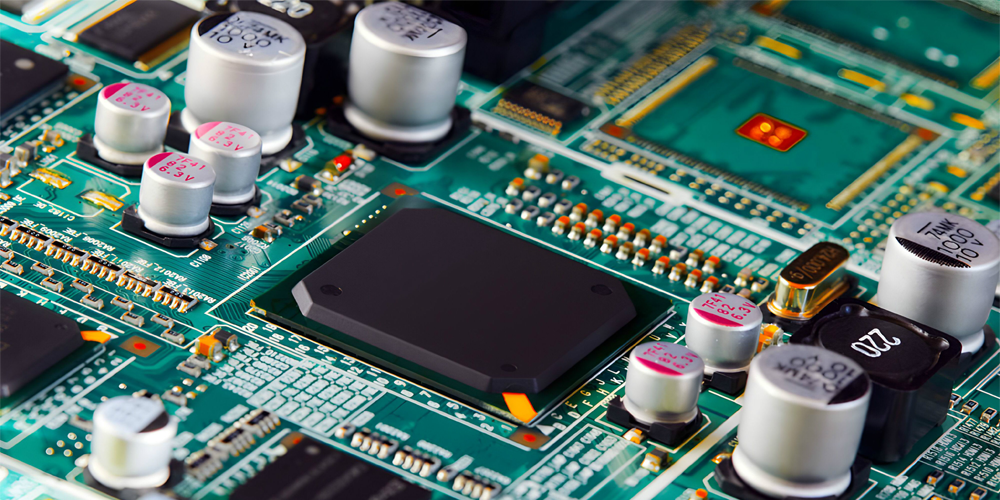
Imagine a PCB as a bustling city. Each component - resistors, capacitors, ICs - is like a building, each
with its specific function and location. The roads that connect these buildings? They're your copper
traces, the lifelines that ensure smooth communication between components. It's a delicate balance
of placing these components in a way that maximizes efficiency and minimizes interference. You
wouldn't place a noisy factory (a high-power component) right next to a quiet park (sensitive
circuits), right? Same principle!
Mistake #1: Overlooking the Breadboarding Phase The Value of Prototyping
Foregoing the breadboarding phase is like skipping a dress rehearsal before opening night.
Prototyping offers a valuable opportunity to identify and rectify design issues early on.
Mistake #2: Ignoring Electrical Safety Standards Complying with Industry Regulations
Disregarding electrical safety standards can lead to dangerous outcomes. Adherence to these
standards protects your customers and maintains the integrity of your brand
Mistake #3: Neglecting Proper Component Spacing Avoiding Heat Accumulation and Short Circuits
Components packed too tightly can lead to overheating and increase the risk of short circuits. Proper
spacing is critical to ensure safe and reliable operation.
Mistake #4: Using Incorrect or Low-Quality Components Ensuring Longevity and Reliability
Selecting subpar components can compromise the durability and performance of your product.
Invest in quality to ensure your product's longevity and reliability
Mistake #5: Skimping on Testing and Quality Assurance The Necessity of Rigorous Testing
Thorough testing is non-negotiable. Similar to an athlete training for a competition, your product
needs to undergo rigorous testing to ensure it's ready for the market.
Additional Tips for Successful Circuit Design Keeping Documentation and Records
Maintaining detailed records is essential. Accurate documentation serves as a roadmap from concept
to execution.
Planning for Future Scale
Your design should be scalable, allowing your product to grow and evolve just like a tree expands
from a seedling
Conclusion: Turning Your Idea into a Reliable Product
By avoiding these common errors, you're well on your way to developing a dependable and
marketable electronic product.
Next Steps: From Proof of Concept to Production
With a robust circuit design in hand, you can confidently move from a proof of concept to a
production-ready product. Like nurturing a tree, care for your design, and it will flourish.